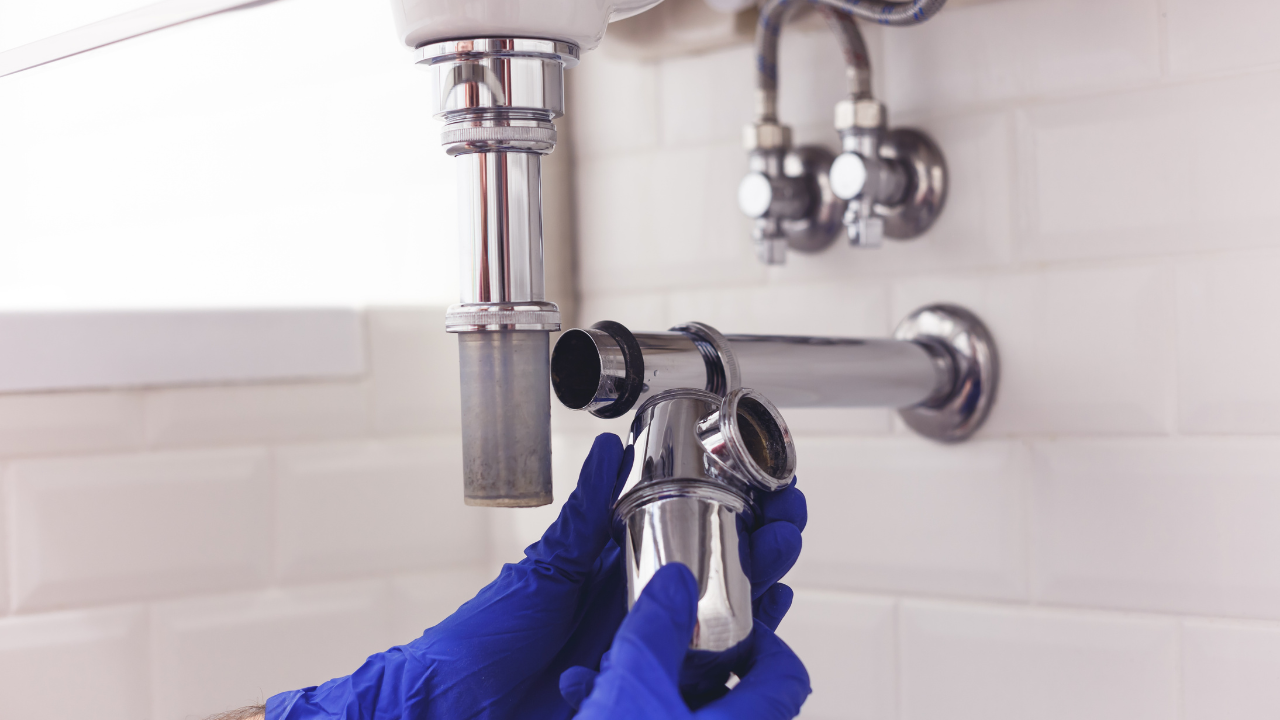
If you are considering plumbing jobs, you may be wondering whether the work is really as difficult as people say. The truth is that plumbing can be physically demanding and mentally challenging, but it is also one of the most reliable and rewarding careers in the skilled trades industry.
Plumbing professionals play a critical role in residential, commercial, and industrial construction. Without skilled plumbers, homes, hospitals, schools, and businesses would not function properly. While the job comes with challenges, many workers find the long-term benefits well worth the effort.
Why Plumbing Jobs Can Be Challenging
Plumbing jobs require a combination of physical labor, technical knowledge, and problem-solving skills. Every workday can look different depending on the project, environment, and type of system being installed or repaired.
Plumbers often work in confined spaces, awkward positions, and changing weather conditions. They regularly lift heavy materials, handle specialized equipment, and troubleshoot complex systems involving water, drainage, and gas lines. Construction plumbers may spend long days on active jobsites, while service plumbers often respond to emergency calls outside normal business hours.
In addition to the physical side of the trade, plumbing also requires strong technical skills. Plumbers must understand building codes, read blueprints, and diagnose issues quickly to avoid costly damage or safety risks. The ability to think critically under pressure is one of the biggest reasons skilled plumbers are highly valued.
Plumbing Apprentice Jobs Offer a Strong Career Path
For many people, plumbing apprentice jobs provide the best entry point into the industry. Apprentices work directly under experienced plumbers while earning a paycheck and learning the trade at the same time.
Most apprenticeship programs last four to five years and combine classroom education with hands-on training. During this time, apprentices develop valuable skills in pipe installation, drainage systems, water supply systems, gas line safety, and blueprint interpretation.
Unlike many college degrees, plumbing apprentice jobs allow workers to avoid significant student debt while gaining real-world experience. Apprentices typically earn competitive hourly wages from the beginning, with pay increasing steadily as skills improve.
What Do Plumbing Jobs Pay?
One major reason people pursue plumbing jobs is the earning potential. Skilled plumbers are consistently among the highest-paid workers in the trades industry.
The average plumber earns around $63,000 annually, while experienced journeymen, master plumbers, and plumbing business owners often earn well over $100,000 per year. Overtime, emergency service work, and large commercial projects can increase earnings even further.
As the demand for skilled tradespeople continues to rise, plumbers are positioned for strong long-term career stability. Many regions across the United States are facing labor shortages in the construction and mechanical trades, creating additional opportunities for qualified workers.
Is Plumbing Worth It?
For many professionals, the answer is absolutely yes. Plumbing jobs offer job security, competitive pay, career advancement opportunities, and the satisfaction of solving real problems every day.
Many plumbers eventually move into leadership roles, project management, estimating, inspections, or even business ownership. Others specialize in commercial systems, industrial work, or high-end residential construction to further increase their earning potential.
While plumbing is not an easy career, it rewards hard work, reliability, and skill development. Workers who enjoy hands-on problem-solving and want a stable career without the burden of massive college debt often find plumbing to be an excellent choice.
If you are pursuing plumbing jobs or plumbing apprentice jobs, having a strong resume can help you stand out to employers and apprenticeship programs. Create your professional construction resume today using AI-powered tools at app.constructionresumebuilder.com. Check more of our free resources here: constructionresumebuilder.com/free-resources.