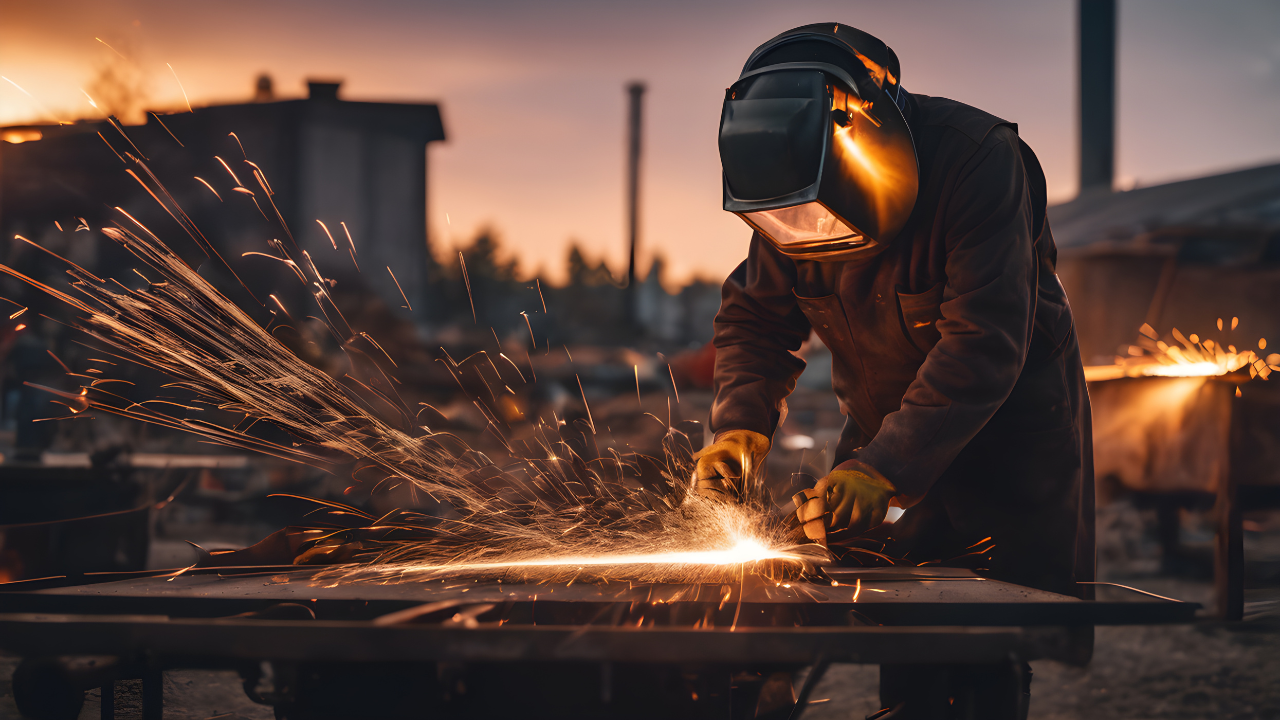
If you’re considering welding jobs, you’ve probably heard that welding is one of the toughest skilled trades. While the work can be physically demanding and requires a high level of precision, it also offers excellent earning potential, strong job security, and opportunities for long-term career growth. Understanding both the challenges and rewards can help you decide whether welding is the right path for you.
Why Are Welding Jobs Considered Challenging?
One reason welding jobs have a reputation for being difficult is the combination of technical skill and physical endurance required. Welders often work in demanding environments where attention to detail is critical.
On a typical day, welders may need to:
- Read and interpret blueprints and welding symbols
- Work in confined spaces or at elevated heights
- Maintain focus for long periods while performing precision work
- Adapt to extreme temperatures and changing job site conditions
- Meet strict quality and safety standards
- Operate in noisy industrial or construction environments
Successful welders develop both the technical expertise and mental discipline needed to consistently produce high-quality work.
What Do Welding Jobs Pay?
One of the biggest advantages of welding jobs is the earning potential. Because welding requires specialized skills, employers are willing to pay competitive wages to qualified professionals.
The average welder earns approximately $51,000 annually, while highly skilled specialists can earn significantly more. Compensation often increases based on certifications, experience, and the type of welding performed.
Typical salary ranges include:
- Structural Welder: $50,000–$80,000
- Pipe Welder: $65,000–$100,000
- TIG Welder: $55,000–$90,000
- Underwater Welder: $80,000–$150,000+
- Welding Inspector: $60,000–$95,000
Many welding jobs also offer overtime opportunities, travel pay, and per diem compensation that can substantially increase annual earnings.
Do Welding Jobs Become Easier Over Time?
Like any skilled trade, welding jobs become more manageable as experience grows. Most entry-level welders spend their first few years developing their technique, learning different welding processes, and gaining confidence in various applications.
As welders gain experience, they typically:
- Work more efficiently
- Produce cleaner, stronger welds
- Troubleshoot problems faster
- Qualify for more advanced projects
- Increase their earning potential
Many experienced welders find great satisfaction in their work because they can see the direct results of their craftsmanship on projects that may last for decades.
Career Advancement Opportunities in Welding Jobs
Another major benefit of welding work is the clear career progression available within the industry. Individuals who continue developing their skills and earning certifications can move into higher-paying leadership and technical roles.
Common career advancement paths include:
- Welder Helper
- Journeyman Welder
- Certified Welder
- Lead Welder
- Welding Supervisor
- Welding Inspector
- Welding Engineer
Pursuing certifications through the American Welding Society (AWS) can help professionals access premium welding jobs across construction, manufacturing, energy, and infrastructure sectors.
Are Welding Opportunities Worth It?
For many people, the answer is yes. The demand for skilled welders continues to remain strong, creating opportunities for individuals who are willing to invest in learning the trade. While welding jobs require hard work, they also offer competitive wages, job stability, and multiple pathways for advancement.
If you’re looking for a career that rewards skill, dedication, and craftsmanship, welding jobs can provide a fulfilling and financially rewarding future.
Ready to Advance Your Welding Career?
Create a professional construction resume that helps you stand out to employers by visiting app.constructionresumebuilder.com.
Looking for more career resources, guides, and job search tools? Explore our free resources at constructionresumebuilder.com/free-resources.