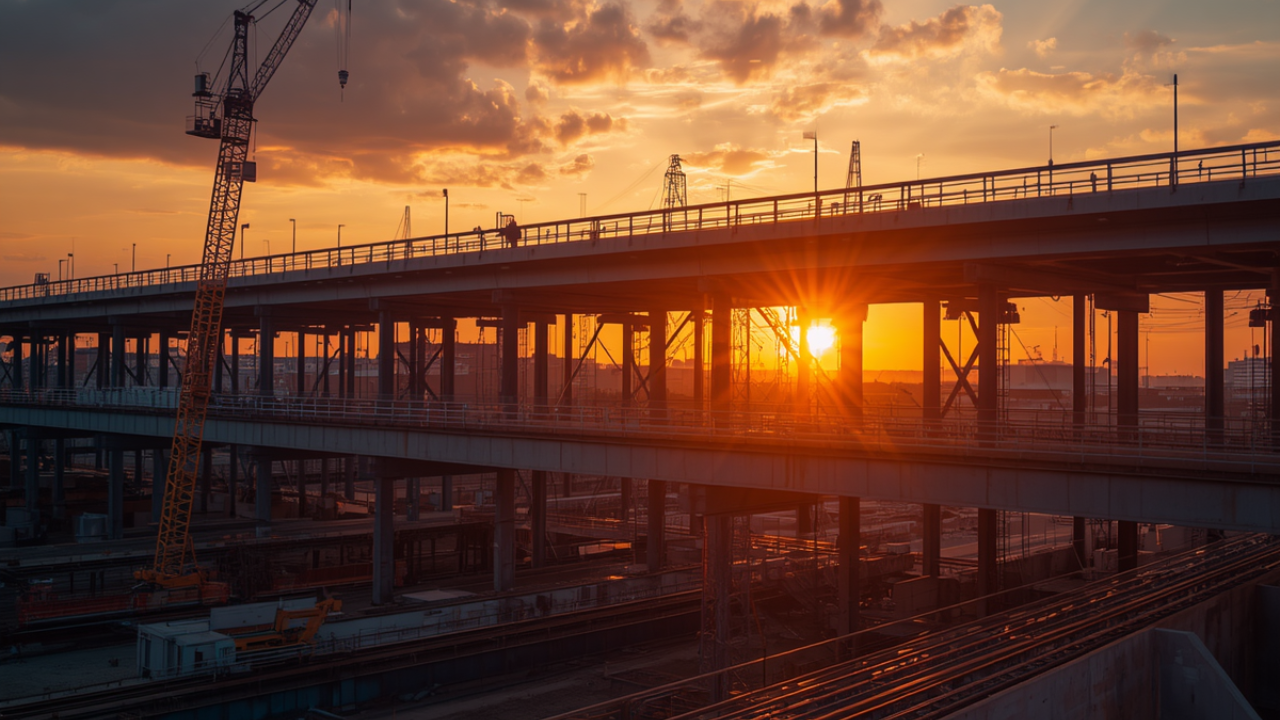
The infrastructure investment importance has never been greater as communities, businesses, and governments work to modernize transportation systems, utilities, energy networks, and public facilities. Strong infrastructure supports economic growth, improves public safety, and creates long-term opportunities for the architecture, engineering, and construction (AEC) industry.
As populations grow and infrastructure continues to age, strategic investments are becoming essential for building stronger, more resilient communities.
Why Modern Infrastructure Matters
The infrastructure investment importance extends far beyond roads and bridges. Modern infrastructure includes airports, ports, rail systems, water treatment facilities, power generation, broadband networks, and public buildings that support daily life and economic activity.
Reliable infrastructure allows businesses to move goods more efficiently, reduces travel times, improves public services, and strengthens local economies. Well-maintained systems also enhance quality of life by providing safer transportation and dependable utilities for residents.
When infrastructure receives consistent investment, communities become better prepared for future growth.
Economic Benefits of Infrastructure Spending
One of the primary reasons for the infrastructure investment importance is its ability to stimulate economic activity. Large construction projects create jobs for architects, engineers, project managers, equipment operators, skilled tradespeople, and many supporting industries.
In addition to direct employment, infrastructure projects generate demand for construction materials, engineering services, manufacturing, transportation, and technology providers. These investments create a ripple effect throughout the economy that continues long after projects are completed.
Strong infrastructure also attracts new businesses by improving accessibility and reducing operating costs.
Supporting Sustainable Development
Sustainability has become a major consideration when planning new infrastructure projects. The infrastructure investment importance now includes designing facilities that are energy efficient, environmentally responsible, and resilient against future challenges.
Engineers and planners are incorporating renewable energy systems, green building materials, stormwater management, and climate-resilient designs into modern infrastructure. These improvements help reduce environmental impacts while extending the useful life of public assets.
Sustainable infrastructure not only benefits today’s communities but also supports future generations.
Technology Is Improving Infrastructure Projects
Advancements in construction technology continue to reinforce the infrastructure investment importance across the AEC industry. Digital tools such as Building Information Modeling (BIM), drones, laser scanning, artificial intelligence, and data analytics help improve project planning and execution.
These technologies reduce design conflicts, improve collaboration among project teams, and enhance quality control throughout construction. Digital project management also enables owners and contractors to monitor progress more efficiently while minimizing delays and unexpected costs.
Technology is making infrastructure projects more predictable, efficient, and cost-effective.
Challenges That Must Be Addressed
Although infrastructure investment offers tremendous benefits, organizations must overcome several challenges to maximize project success. The infrastructure investment importance is often accompanied by funding limitations, labor shortages, permitting requirements, supply chain disruptions, and rising construction costs.
Addressing these issues requires careful planning, experienced leadership, effective risk management, and collaboration between government agencies, private organizations, and construction professionals.
Long-term investment strategies are essential for ensuring that infrastructure projects are completed on time and provide lasting value.
Investing in the Future
The infrastructure investment importance will continue to grow as communities seek to replace aging facilities and accommodate expanding populations. Transportation systems, utilities, renewable energy projects, and public infrastructure will remain critical priorities for governments and private investors alike.
Construction companies that embrace innovation, develop skilled workforces, and adopt efficient project delivery methods will be well positioned to support these growing demands. At the same time, professionals who continue building their technical knowledge and leadership skills will find exciting career opportunities throughout the AEC industry.
Infrastructure investment is more than building physical assets—it is an investment in economic growth, public safety, and the future of our communities.
Build Your Construction Career
As infrastructure projects continue to expand, employers are seeking qualified construction professionals across every discipline.
Create your professional construction resume today at app.constructionresumebuilder.com.
For more career guidance, resume tips, and industry resources, visit constructionresumebuilder.com/free-resources and explore our growing library of free tools for construction professionals.