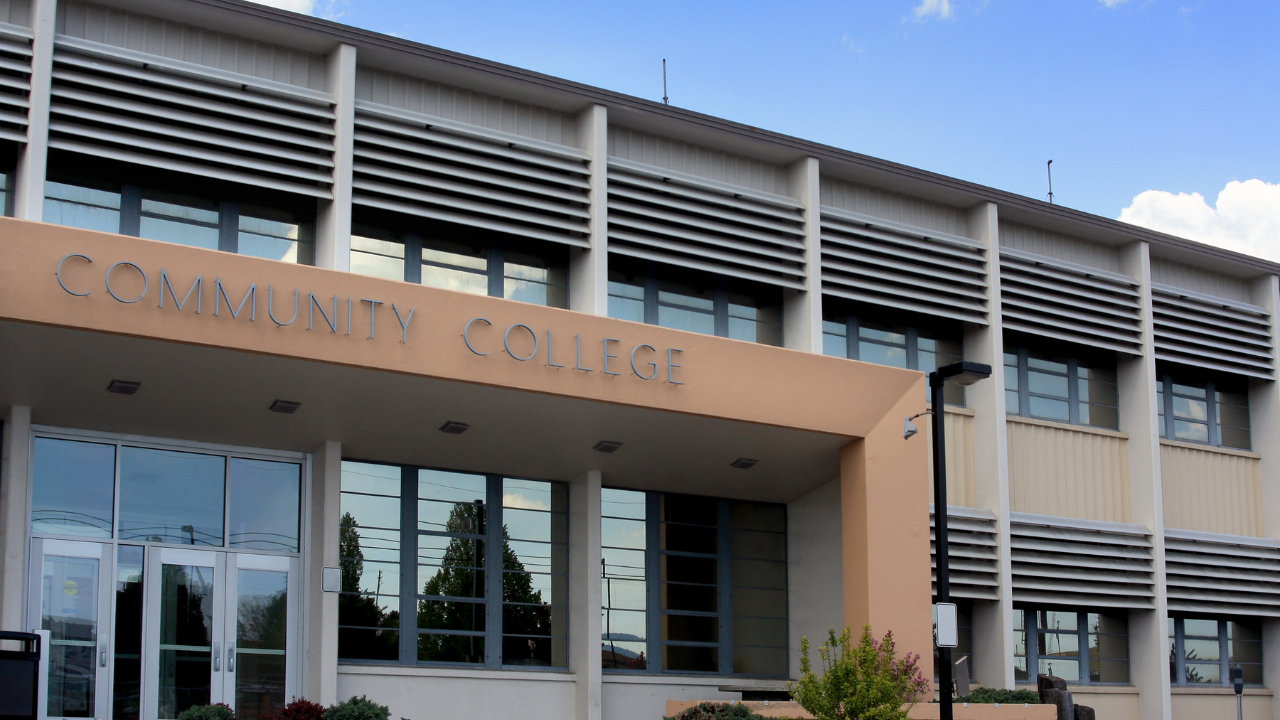
In today’s competitive job market, many professionals are searching for faster and more affordable ways to advance their careers. One of the most effective paths available is through community college career programs. These programs provide practical training, industry-recognized certifications, and hands-on experience that can help individuals enter the workforce quickly or move into higher-paying positions.
Unlike traditional four-year degree programs, community colleges focus heavily on career readiness. Their courses are often designed around real-world industry needs, making graduates more prepared to contribute immediately in the workplace.
Why Community College Career Programs Are Growing in Popularity
One major reason community college career programs continue to grow in popularity is flexibility. Many colleges offer evening classes, online learning, weekend programs, and hybrid schedules that allow students to continue working while earning certifications or completing coursework.
Community colleges are also far more affordable than many universities. Students can gain specialized training without accumulating significant debt, making career advancement more accessible to a wider range of people.
Additionally, employers increasingly value skills and certifications over traditional educational paths alone. Many industries prioritize practical experience, technical knowledge, and job readiness when hiring new employees.
Skilled Trade Community College Career Programs
Skilled trade programs remain some of the most in-demand offerings at community colleges. Courses in welding, heavy equipment operation, diesel technology, HVAC, electrical systems, and construction management continue to attract students looking for stable and rewarding careers.
These community college career programs often combine classroom instruction with hands-on field training. Students learn how to operate equipment, follow safety procedures, understand technical systems, and perform real-world job tasks before entering the workforce.
In industries such as heavy civil construction and infrastructure development, employers actively seek candidates with practical training and technical certifications.
Technology-Focused Community College Career Programs
Technology continues to shape nearly every industry, and community colleges are adapting quickly to meet workforce needs. Many colleges now offer programs in cybersecurity, information technology support, software development, data analytics, and computer-aided drafting (CAD).
These community college career programs help students develop digital skills that are becoming increasingly valuable across construction, engineering, manufacturing, healthcare, and logistics industries.
Technology certifications can also help current employees remain competitive as companies continue integrating software, automation, and data-driven systems into daily operations.
Business and Leadership Community College Career Programs
Community colleges also offer strong business-focused programs for professionals looking to move into supervisory or management roles. Courses in leadership, project management, accounting, business administration, and human resources help students build skills that support long-term career growth.
Many professionals already working in operations, manufacturing, logistics, or construction use these community college career programs to strengthen communication, team leadership, and organizational management abilities.
Leadership training is especially valuable for companies looking to develop future managers from within their existing workforce.
Healthcare and Logistics Community College Career Programs
Healthcare remains another major area where community colleges provide career advancement opportunities. Programs such as medical assisting, nursing support, radiologic technology, phlebotomy, and healthcare administration prepare students for fast-growing healthcare careers.
At the same time, transportation and supply chain industries continue creating demand for trained professionals. Community colleges offer programs in logistics coordination, warehouse operations, commercial driving, and supply chain management.
These community college career programs provide direct pathways into industries that continue to experience long-term workforce demand.
Related: How to Land Lineman Apprentice Jobs and Build a High-Paying Career
How Community College Career Programs Accelerate Growth
One of the biggest advantages of community college programs is speed. Many certificate programs can be completed in less than a year, allowing students to quickly qualify for new opportunities or promotions.
Community colleges also frequently partner with local employers, creating internship opportunities, apprenticeships, networking connections, and job placement support. This direct connection between education and industry helps students transition more smoothly into the workforce.
As industries continue evolving, lifelong learning has become increasingly important. Community college career programs give professionals the ability to adapt, gain new skills, and remain competitive without requiring a traditional four-year degree path.
For many people, community colleges are no longer just an alternative educational option. They are becoming one of the most practical and effective ways to accelerate career growth, increase earning potential, and build long-term professional success.