Buildings have a significant impact on energy consumption, resource use, and the environment. As owners, architects, engineers, and construction professionals look for ways to improve building performance, sustainable building design has become an increasingly important part of modern architecture and construction.
The goal is not simply to make buildings more environmentally friendly. Effective design can also improve energy performance, occupant comfort, operating costs, durability, and long-term value.
What Is Sustainable Building Design?
Sustainable building design considers a building’s environmental impact throughout its lifecycle. This includes decisions about site selection, orientation, materials, energy systems, water use, indoor environmental quality, and eventual maintenance or renovation.
Instead of treating sustainability as an additional feature added near the end of a project, sustainable building design incorporates performance goals into the planning and design process from the beginning.
This approach allows project teams to evaluate how individual design decisions affect the building as a whole.
Energy-Efficient Building Strategies
Energy efficiency is one of the most important elements of sustainable construction. Architects and engineers can evaluate building orientation, insulation, windows, lighting, heating, ventilation, and air-conditioning systems to reduce unnecessary energy consumption.
Passive design strategies can also contribute to performance. Proper building orientation, shading, natural ventilation, daylighting, and high-performance building envelopes can reduce dependence on mechanical systems while improving occupant comfort.
Energy modeling software can help design teams evaluate different options before construction begins. These tools allow professionals to compare potential energy performance and make more informed decisions.
Choosing Sustainable Construction Materials
Material selection is another important consideration. Sustainable building design can incorporate materials based on factors such as durability, recycled content, embodied carbon, local availability, maintenance requirements, and expected service life.
The most sustainable choice is not necessarily the material with the lowest initial environmental impact. Project teams may also need to consider transportation, installation, replacement frequency, and long-term performance.
Durable materials that require less frequent replacement can contribute to a building’s overall lifecycle performance.
Water Conservation and Resource Management
Water efficiency is becoming an important part of high-performance buildings. Low-flow fixtures, rainwater collection, efficient irrigation, and water reuse systems can reduce demand on local water resources.
Design teams can also evaluate the site’s existing conditions and develop strategies that minimize stormwater runoff. Permeable surfaces, landscaping, and appropriate drainage systems can help manage water more effectively.
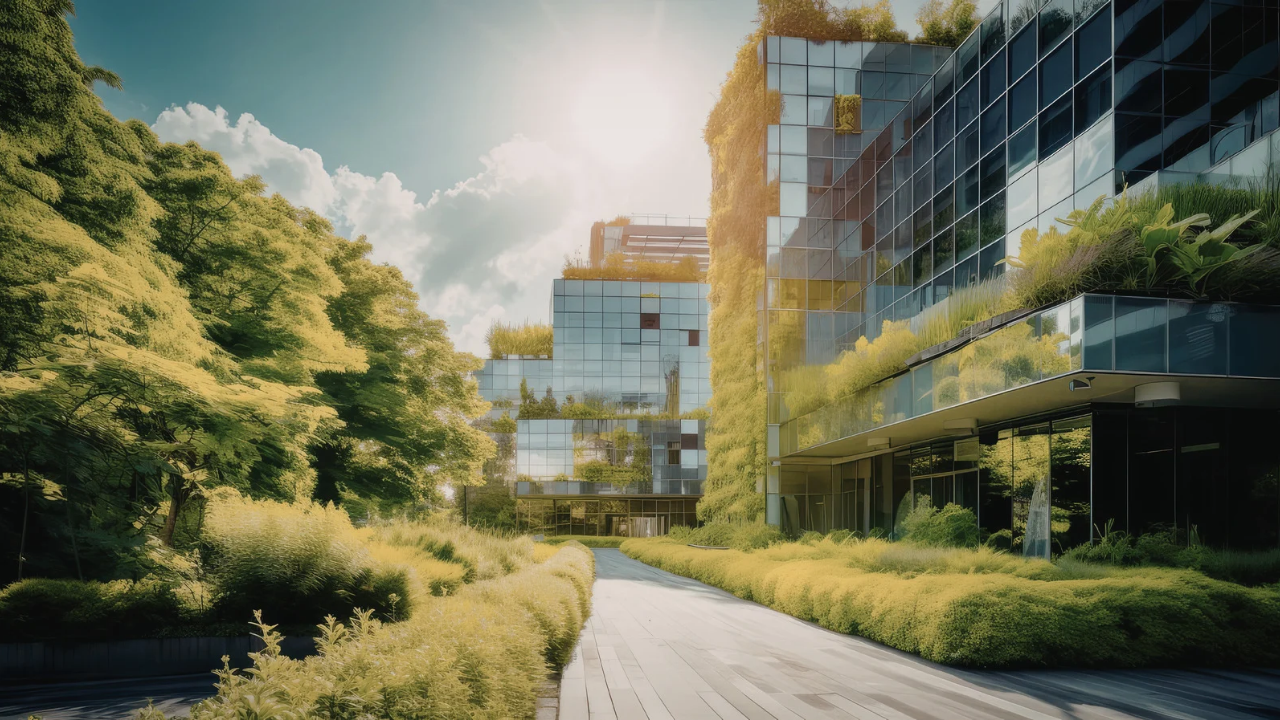
These strategies demonstrate how sustainable building design extends beyond the structure itself to include the surrounding site.
Improving Indoor Environmental Quality
Sustainability also involves the people who occupy a building. Natural daylight, ventilation, acoustics, thermal comfort, and indoor air quality can influence occupant experience and productivity.
Architects and engineers can evaluate these factors while developing layouts and selecting building systems. The result can be a healthier and more comfortable environment without sacrificing energy performance.
Technology Supports Sustainable Design
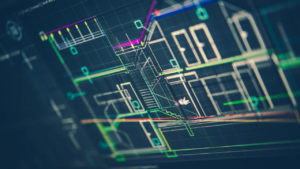
Modern technology is making it easier for project teams to evaluate building performance. Building Information Modeling (BIM), energy analysis, digital simulations, and smart building systems can provide valuable information during design and construction.
BIM can help coordinate building systems, while performance modeling can identify opportunities to improve energy efficiency before construction begins.
As these technologies become more accessible, sustainable building design can become increasingly data driven rather than relying solely on assumptions or general guidelines.
Designing for Long-Term Performance
A sustainable building should be designed with its entire lifecycle in mind. Owners and project teams need to consider maintenance, adaptability, operational costs, and future changes in building use.
A building that can be efficiently maintained, upgraded, or repurposed may provide value for decades while reducing the need for major reconstruction.
Sustainable building design therefore requires collaboration among architects, engineers, contractors, owners, and other professionals. When sustainability goals are established early, teams have more opportunities to integrate energy efficiency, resource conservation, durability, and occupant comfort into the project.
Build Your Construction Career
Sustainability and energy efficiency are creating new opportunities across the AEC industry. Build your skills and showcase your experience by creating your construction resume at app.constructionresumebuilder.com.
Check more of our free resources here: constructionresumebuilder.com/free-resources.