Modern construction projects involve architects, engineers, contractors, owners, and numerous specialty professionals. When these groups work independently, communication gaps and conflicting priorities can create delays, rework, and unnecessary costs. Integrated project design brings these disciplines together earlier to create a more coordinated approach to planning and delivering a project.
By encouraging collaboration from the beginning, integrated project design can improve communication, strengthen decision-making, and help project teams address potential problems before construction begins.
What Is Integrated Project Design?
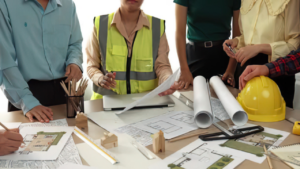
Integrated project design is an approach that encourages architects, engineers, contractors, owners, and other stakeholders to collaborate throughout the design process. Rather than completing design work in separate stages with limited interaction, the project team shares information and considers construction, cost, schedule, performance, and operational requirements together.
This collaborative model can be particularly valuable for complex commercial, infrastructure, industrial, and institutional projects where multiple systems must work together.
Better Collaboration Across Project Teams
One of the primary benefits of integrated project design is stronger collaboration. When professionals participate earlier, they can contribute their technical knowledge before important decisions become difficult or expensive to change.
Architects can better understand construction requirements, engineers can coordinate systems with the overall design, and contractors can provide practical input regarding materials, sequencing, labor, and constructability.
Early collaboration also creates more opportunities for questions to be addressed before they become field problems.
Improved Constructability and Fewer Conflicts
Design decisions can have significant effects on construction. A visually effective concept may still create challenges involving access, sequencing, materials, equipment, or installation.
Integrated project design encourages construction professionals to review designs before work begins. Their input can help identify constructability concerns and potential conflicts between architectural, structural, mechanical, electrical, and other systems.
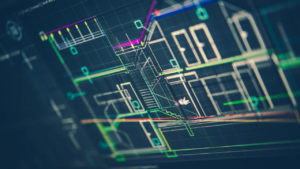
Building Information Modeling (BIM) can further support this process by providing a shared digital environment where project teams can coordinate building components and identify potential clashes.
More Informed Cost and Schedule Decisions
Cost and schedule considerations should not be isolated from design decisions. Changes to materials, building systems, or construction methods can affect both project budgets and timelines.
With integrated project design, contractors and other specialists can provide input while design alternatives are still being evaluated. Teams can compare options based on cost, availability, constructability, durability, and scheduling requirements.
This approach can help owners make better-informed decisions before construction begins, when changes are generally easier to accommodate.
Supporting Sustainable and High-Performance Design
Modern projects increasingly require consideration of energy efficiency, material selection, environmental performance, and long-term operating costs. These objectives often require collaboration among multiple disciplines.
Integrated project design gives sustainability specialists, architects, engineers, contractors, and owners an opportunity to discuss performance goals together. Teams can evaluate building orientation, materials, energy systems, water efficiency, and other strategies as part of a broader project strategy.
Instead of treating sustainability as an isolated design feature, collaborative planning can incorporate performance objectives into the project from the beginning.
Stronger Communication and Project Outcomes
Successful construction depends heavily on communication. Integrated project design creates more opportunities for project participants to exchange information, explain constraints, and understand how their decisions affect other disciplines.
The approach does require clear responsibilities, effective leadership, appropriate technology, and a willingness to collaborate. Simply putting more people in meetings does not automatically create better results. Teams need defined goals and processes for sharing information and resolving conflicts.
When properly implemented, integrated project design can create a more connected project environment where design and construction considerations are addressed together.
Preparing for the Future of Construction
As construction projects become more complex, collaboration will continue to play an important role in project delivery. Digital tools, BIM, cloud-based collaboration, prefabrication, automation, and data-driven decision-making are making coordination increasingly important.
Integrated project design provides a framework for bringing these capabilities together while encouraging professionals to consider the entire project rather than only their individual responsibilities.
For AEC professionals, understanding collaborative design and project delivery methods can also be an important career advantage.
Build Your Construction Career
Ready to strengthen your career opportunities in construction? Create your construction resume at app.constructionresumebuilder.com and showcase your experience, skills, certifications, and accomplishments.
Check more of our free resources here: constructionresumebuilder.com/free-resources.