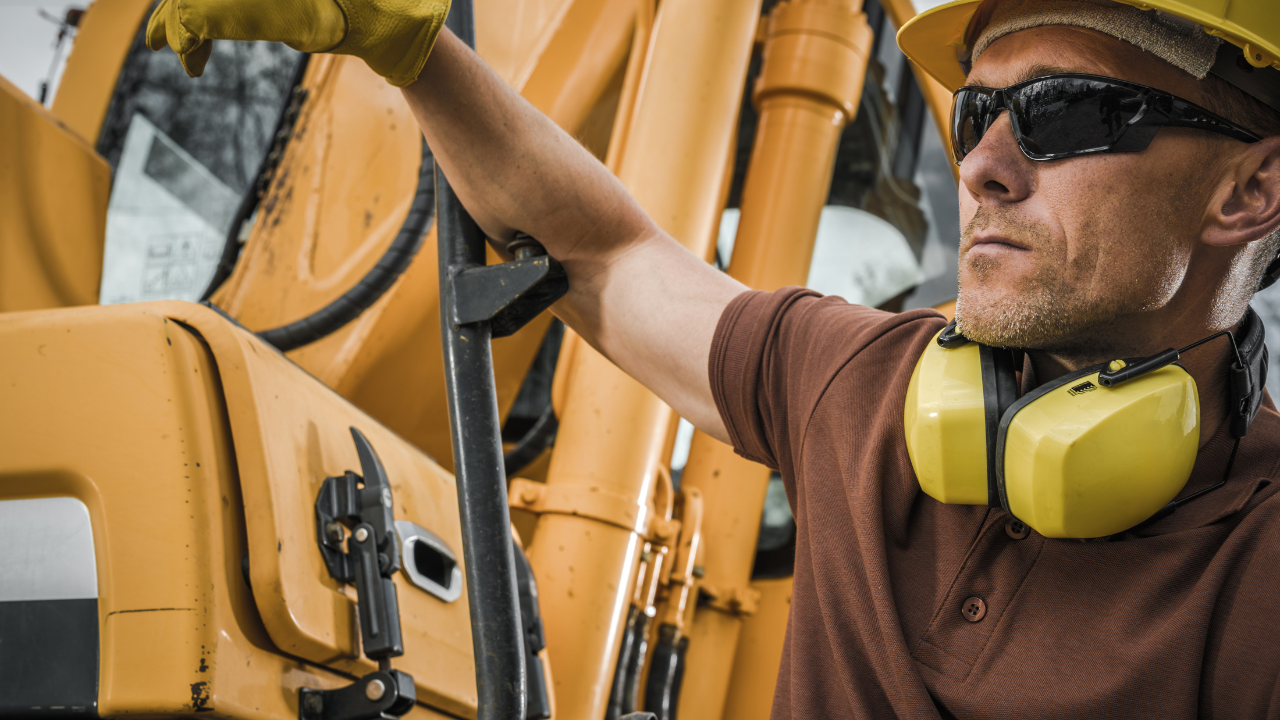
Heavy equipment operator jobs continue to rank among the best opportunities in the skilled trades industry. With strong earning potential, long-term job stability, and multiple career advancement paths, this profession has become one of the most attractive options in construction, mining, roadwork, and infrastructure development.
As cities expand and infrastructure projects increase nationwide, the need for skilled equipment operators continues to grow. From highways and bridges to commercial developments and utility projects, heavy equipment operators play a critical role in keeping projects moving safely and efficiently.
Why Heavy Equipment Operator Jobs Are in High Demand
Heavy equipment operator jobs are essential to nearly every large-scale construction project. Skilled operators handle machines that move earth, lift heavy materials, and prepare sites for development. Without experienced operators, projects cannot stay on schedule or meet safety requirements.
Federal infrastructure investments, increased construction activity, and ongoing labor shortages have created excellent opportunities for both new and experienced operators. Many employers are actively searching for qualified candidates and are offering competitive wages, overtime opportunities, and travel incentives to attract talent.
Because these skills are highly specialized, experienced operators often enjoy strong job security even during economic slowdowns.
Salary Potential for Heavy Equipment Operators
One of the biggest advantages of pursuing heavy equipment operator jobs is the earning potential. According to the Bureau of Labor Statistics, construction equipment operators earn an average annual salary of over $58,000, while experienced operators on large-scale projects can earn well above $100,000 annually.
Pay varies depending on equipment type, certifications, project complexity, and geographic location.
Typical salary ranges include:
- Crane Operator: $70,000 to $110,000
- Excavator Operator: $55,000 to $85,000
- Bulldozer Operator: $50,000 to $80,000
- Paving Machine Operator: $55,000 to $80,000
- Dragline Operator: $65,000 to $100,000
Operators working overtime, traveling for remote projects, or working in specialized industries like mining and energy can increase their total compensation significantly.
What Heavy Equipment Operators Do
Heavy equipment operator jobs involve much more than simply driving machinery. Operators are responsible for maintaining productivity, following safety standards, and supporting overall jobsite operations.
Daily responsibilities often include:
- Operating excavators, loaders, bulldozers, cranes, and graders
- Performing equipment inspections and maintenance checks
- Reading grade stakes and site plans
- Coordinating with supervisors and ground crews
- Following OSHA safety procedures
- Maintaining production logs and equipment records
The work is hands-on, physically active, and constantly changing from one project to the next. Many operators enjoy the sense of accomplishment that comes from seeing visible progress on major construction projects.
Career Growth Opportunities
Heavy equipment operator jobs also offer clear advancement opportunities. Many operators begin as apprentices or entry-level laborers before moving into specialized operating roles. Over time, operators can advance into lead operator, foreman, superintendent, or project management positions.
Operators who earn additional certifications and gain experience operating multiple types of equipment are often the most valuable to employers. Specialized certifications can also lead to higher wages and better project opportunities.
For individuals who enjoy working outdoors, operating machinery, and building critical infrastructure, this career path offers long-term stability and financial growth.
Is Heavy Equipment Operator a Good Career Choice?
For many people, the answer is absolutely yes. Heavy equipment operator jobs provide strong income potential, career advancement opportunities, and consistent demand across multiple industries. As infrastructure and construction projects continue expanding, qualified operators will remain highly sought after.
Whether you are entering the workforce for the first time or considering a career change, becoming a heavy equipment operator can provide a stable and rewarding future.
Ready to take the next step in your construction career?
Create your professional construction resume today at app.constructionresumebuilder.com and explore more free career resources at constructionresumebuilder.com/free-resources.