The construction industry is undergoing a major transformation as sustainable construction practices become a priority for owners, developers, architects, engineers, and contractors. Environmental concerns, stricter regulations, rising energy costs, and client expectations are encouraging the adoption of greener building methods that reduce waste, improve efficiency, and create healthier communities.
Today, sustainability is no longer viewed as an optional feature. Instead, it has become an essential part of planning, designing, constructing, and maintaining modern buildings and infrastructure.
Why Sustainability Is Reshaping the AEC Industry
One of the primary reasons sustainable construction practices are gaining momentum is the increasing demand for environmentally responsible development. Governments, businesses, and the public are placing greater emphasis on reducing carbon emissions, conserving natural resources, and improving energy efficiency.
Architects are designing buildings that maximize natural lighting and ventilation, while engineers are developing systems that consume less energy and water. Contractors are also implementing construction methods that reduce waste and improve jobsite efficiency.
These efforts benefit both the environment and project owners by lowering long-term operating costs.
Eco-Friendly Building Materials Make a Difference
Another important aspect of sustainable construction practices is the use of environmentally friendly building materials. Recycled steel, reclaimed wood, low-carbon concrete, sustainably sourced timber, and high-performance insulation are becoming increasingly common on construction projects.
Selecting durable materials with lower environmental impacts helps reduce waste while extending the lifespan of buildings. Many organizations are also choosing locally sourced materials to reduce transportation emissions and support regional suppliers.
Material selection has become an important factor in achieving sustainability goals without compromising quality or performance.
Technology Supports Smarter Construction
Advances in technology continue to strengthen sustainable construction practices across the architecture, engineering, and construction (AEC) industry. Building Information Modeling (BIM), drones, laser scanning, artificial intelligence, and digital project management platforms help teams improve planning and reduce costly errors.
These technologies optimize material usage, improve collaboration, and minimize rework during construction. Better planning leads to reduced waste, improved productivity, and more efficient project delivery.
As digital tools become more sophisticated, they will continue supporting environmentally responsible construction methods.
Green Infrastructure and Energy Efficiency
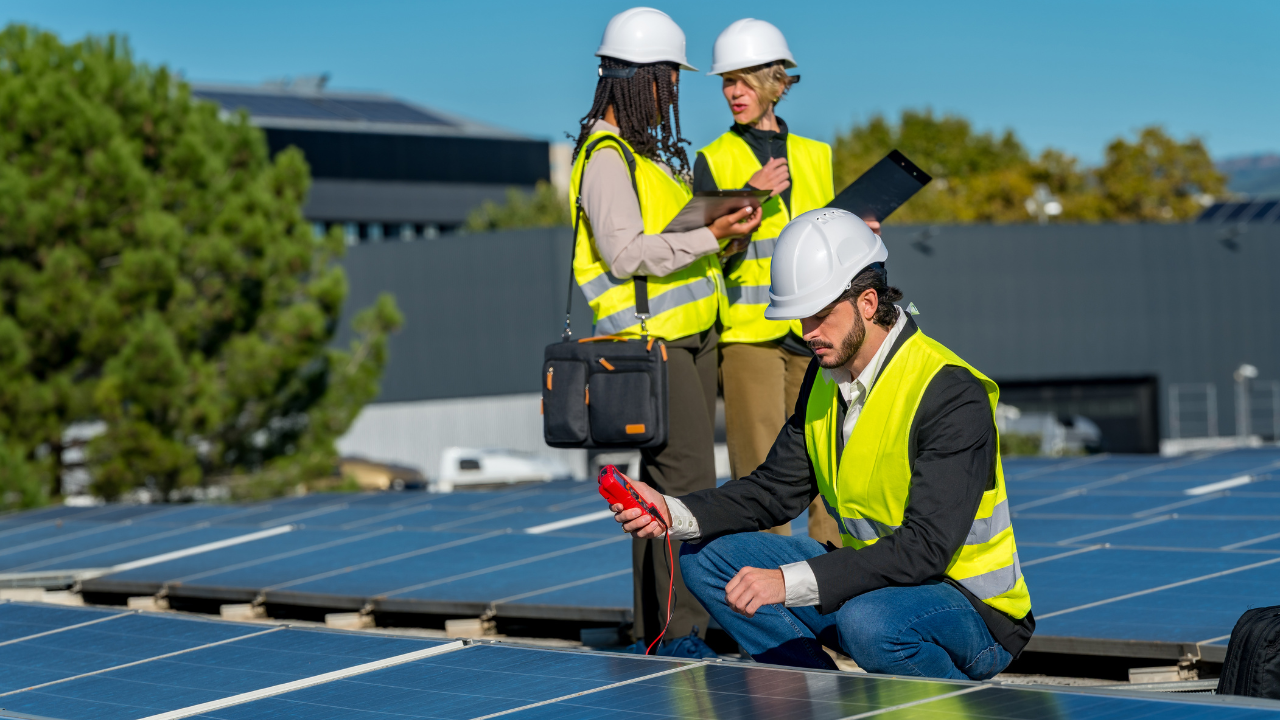
Energy-efficient buildings and resilient infrastructure are becoming standard goals for many new developments. Sustainable construction practices now include renewable energy integration, efficient HVAC systems, advanced insulation, stormwater management, and smart building technologies.
Designing projects with long-term performance in mind reduces operating costs while improving occupant comfort and environmental performance. Green infrastructure also helps communities adapt to changing climate conditions by improving water management and reducing environmental impacts.
These innovations demonstrate that sustainability and profitability can work together.
Workforce Skills Are Evolving
As sustainable construction practices continue expanding, employers are seeking professionals with knowledge of green building principles, environmental regulations, and energy-efficient design. Architects, engineers, project managers, estimators, and construction supervisors all play important roles in delivering sustainable projects.
Many organizations now invest in continuing education and professional development to help employees stay current with evolving industry standards. Understanding sustainable construction techniques can improve career opportunities while helping companies remain competitive.
Professionals who combine technical expertise with sustainability knowledge will continue to be highly valued throughout the industry.
Building a More Sustainable Future
Sustainable construction practices are transforming how buildings and infrastructure are designed, constructed, and maintained. By embracing innovative materials, advanced technologies, energy-efficient systems, and environmentally responsible planning, the AEC industry is creating projects that deliver long-term value for owners and communities alike.
As sustainability becomes increasingly important, companies that prioritize innovation and environmental responsibility will be better positioned for future success. Construction professionals who continue learning and adapting to these changes will also find new opportunities in a rapidly evolving industry.
Build Your Construction Career
Employers increasingly value professionals who understand modern construction methods and sustainable building practices.
Create your professional construction resume today at app.constructionresumebuilder.com.
For more resume tips, career advice, and free resources for construction professionals, visit constructionresumebuilder.com/free-resources and take the next step in your career.