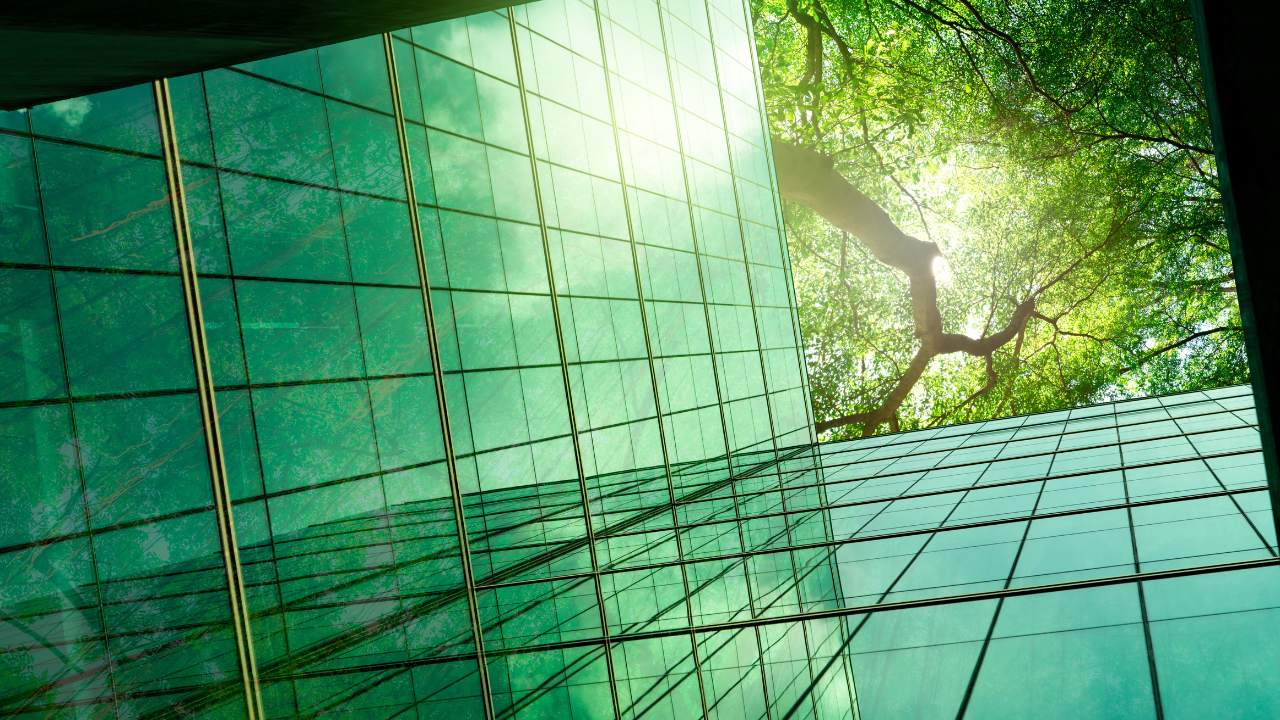
The construction industry is evolving rapidly, and sustainable construction practices are leading the way. As environmental concerns, stricter regulations, and client expectations continue to grow, architecture, engineering, and construction (AEC) professionals are adopting greener methods to design, build, and maintain projects. Sustainability is no longer viewed as an added benefit—it has become a key factor in delivering long-lasting, cost-effective, and environmentally responsible infrastructure.
From commercial buildings and residential developments to transportation systems and public infrastructure, sustainable solutions are helping shape the future of construction.
Why Green Building Is Becoming the Standard
One of the primary reasons sustainable construction practices are gaining momentum is the growing demand for energy-efficient and environmentally friendly buildings. Owners and developers are looking for projects that reduce operating costs, lower carbon emissions, and create healthier environments for occupants.
Architects are incorporating passive design strategies, engineers are specifying high-performance building systems, and contractors are implementing methods that minimize waste throughout the construction process. These collaborative efforts improve project performance while reducing environmental impact.
Green building has become a long-term investment that benefits both property owners and surrounding communities.
Technology Is Supporting Smarter Construction
Technology is accelerating the adoption of sustainable construction practices across the AEC industry. Digital tools such as Building Information Modeling (BIM), drones, laser scanning, artificial intelligence, and cloud-based project management platforms allow teams to improve planning and reduce costly errors.
Better coordination helps optimize material usage, minimize rework, and improve scheduling, resulting in more efficient construction projects. These technologies also provide valuable data that supports better decision-making throughout the project lifecycle.
As innovation continues, technology will play an even larger role in improving sustainability across the industry.
Eco-Friendly Materials Reduce Environmental Impact
Material selection is another important component of sustainable construction practices. Builders are increasingly using recycled steel, low-carbon concrete, reclaimed wood, sustainably harvested timber, and environmentally friendly insulation products to reduce the environmental footprint of new projects.
Choosing durable, high-performance materials extends the life of buildings while lowering maintenance costs and reducing waste. Whenever possible, many contractors also source materials locally to reduce transportation emissions and support regional suppliers.
Thoughtful material selection contributes to both environmental responsibility and long-term project value.
Sustainable Infrastructure Benefits Communities
The impact of sustainable construction practices extends well beyond individual buildings. Infrastructure projects are increasingly incorporating renewable energy systems, efficient water management, resilient transportation networks, and climate-adaptive designs that better serve growing communities.
Public agencies and private developers recognize that sustainable infrastructure improves reliability while reducing long-term operating expenses. Investments in green infrastructure also help communities prepare for changing environmental conditions and future population growth.
As cities continue to expand, sustainable planning will remain an important priority for infrastructure development.
Career Opportunities Continue to Grow
The increasing adoption of sustainable construction practices is creating new opportunities for professionals throughout the AEC industry. Employers are seeking architects, engineers, project managers, estimators, superintendents, and sustainability specialists who understand modern construction techniques and environmental standards.
Many organizations are investing in employee training, professional certifications, and continuing education to help their teams stay current with evolving industry practices. Professionals who combine technical expertise with sustainability knowledge are becoming increasingly valuable in today’s competitive job market.
Developing these skills can lead to exciting career advancement opportunities across multiple construction sectors.
Building a Better Future
Sustainable construction practices are transforming how projects are planned, designed, and built. By embracing innovative technologies, environmentally responsible materials, and efficient building methods, the AEC industry is creating safer, healthier, and more resilient communities.
Companies that invest in sustainability today are positioning themselves for long-term success while meeting the expectations of clients, regulators, and the public. Likewise, construction professionals who continue learning about sustainable building methods will be well prepared for the future of the industry.
Build Your Construction Career
As sustainable construction continues to grow, employers are looking for qualified professionals with modern skills and industry knowledge.
Create your professional construction resume today at app.constructionresumebuilder.com.
For more resume tips, career advice, and free resources for construction professionals, visit constructionresumebuilder.com/free-resources and take the next step toward your career goals.