Effective architectural design goes beyond creating visually appealing buildings. It combines functionality, safety, sustainability, user experience, and structural considerations to create spaces that serve their intended purpose. Whether designing a commercial building, residential development, public facility, or infrastructure project, architects must balance creative ideas with practical requirements.
Understanding the fundamental principles of architectural design can help professionals create buildings that perform well today while remaining adaptable for the future.
Function and Purpose in Building Design
One of the most important principles of effective architectural design is functionality. Every building should be designed around how people will use the space.
Architects must consider circulation, accessibility, room layouts, workflow, lighting, ventilation, and the relationship between different areas. A beautiful building can still be unsuccessful if it does not function efficiently for its occupants.
Understanding the client’s goals and the needs of future users provides an important foundation for the design process.
Balance Aesthetics With Practicality
Effective architectural design requires a balance between visual appeal and practical performance. Materials, proportions, colors, textures, and building forms contribute to the overall appearance of a structure, but aesthetic decisions should also support functionality.
Architects must consider factors such as maintenance, durability, construction costs, and the surrounding environment when selecting design elements. A thoughtful approach ensures that creative concepts can be translated into practical construction solutions.
The strongest designs bring form and function together rather than treating them as separate priorities.
Sustainability and Energy Efficiency
Sustainability has become an increasingly important consideration in modern architecture. Effective architectural design incorporates strategies that reduce energy consumption, conserve resources, and minimize environmental impact.
Architects can use natural lighting, passive ventilation, energy-efficient systems, renewable energy technologies, and sustainable materials to improve building performance. Site orientation and climate should also influence decisions about windows, shading, insulation, and heating or cooling requirements.
Designing for long-term efficiency can reduce operating costs while creating more comfortable spaces for occupants.
Safety and Accessibility
Safety should be integrated into every stage of architectural planning. Effective architectural design considers fire protection, structural requirements, emergency exits, accessibility, and other building safety standards from the beginning of the project.
Accessibility is equally important. Buildings should accommodate people with different physical abilities through thoughtful entrances, circulation routes, restrooms, elevators, signage, and other features.
Designing with safety and accessibility in mind helps create spaces that can serve a broader range of users while supporting compliance with applicable requirements.
Collaboration Improves Architectural Outcomes
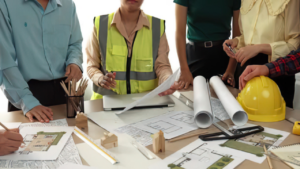
Modern projects often involve architects, engineers, contractors, owners, consultants, and other specialists. Effective architectural design depends on collaboration among these disciplines.
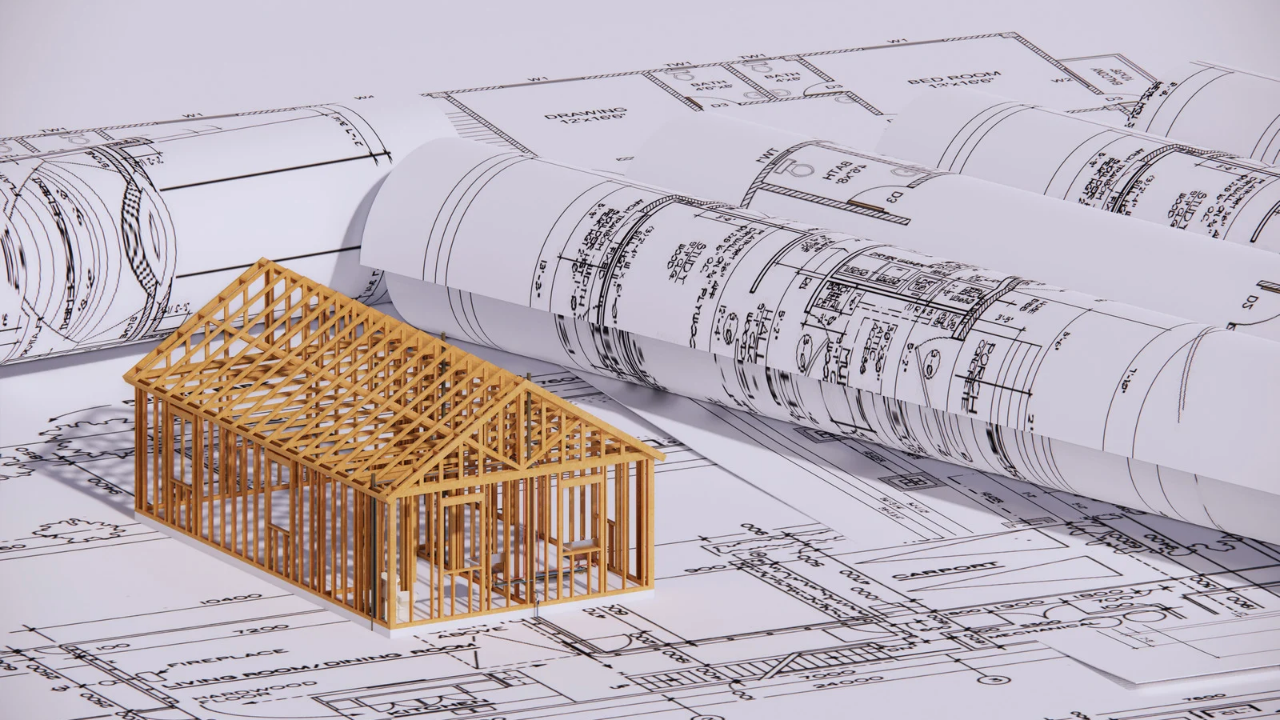
Early communication can identify potential conflicts between architectural concepts and structural, mechanical, electrical, or construction requirements. Building Information Modeling (BIM) and other digital tools can further improve coordination by allowing project teams to visualize and analyze designs before construction begins.
Collaborative planning can reduce rework, improve constructability, and support better project outcomes.
Designing for the Future
Buildings should not only address today’s needs. Effective architectural design also considers how a structure may change over time.
Flexible floor plans, adaptable spaces, durable materials, and technology-ready infrastructure can help buildings accommodate changing users and future requirements. This approach can extend the useful life of a building and reduce the need for costly renovations.
Architects who consider long-term adaptability can create projects that continue providing value for years to come.
Creating Better Architectural Solutions
Effective architectural design combines creativity with functionality, sustainability, safety, collaboration, and long-term thinking. Successful architects understand that great design is not simply about how a building looks—it is also about how effectively it serves its users and performs throughout its lifecycle.
As technology, sustainability requirements, and client expectations continue to evolve, architectural professionals must continue developing their knowledge and adapting their approach. Strong design principles provide a foundation for creating buildings that are functional, resilient, efficient, and responsive to the communities they serve.
Build Your Construction Career
Whether you are an architect, engineer, construction professional, or someone preparing for your next opportunity, a strong resume can help showcase your skills and experience.
Create your construction resume today at app.constructionresumebuilder.com.
For more career advice, resume tips, and industry resources, check out constructionresumebuilder.com/free-resources.