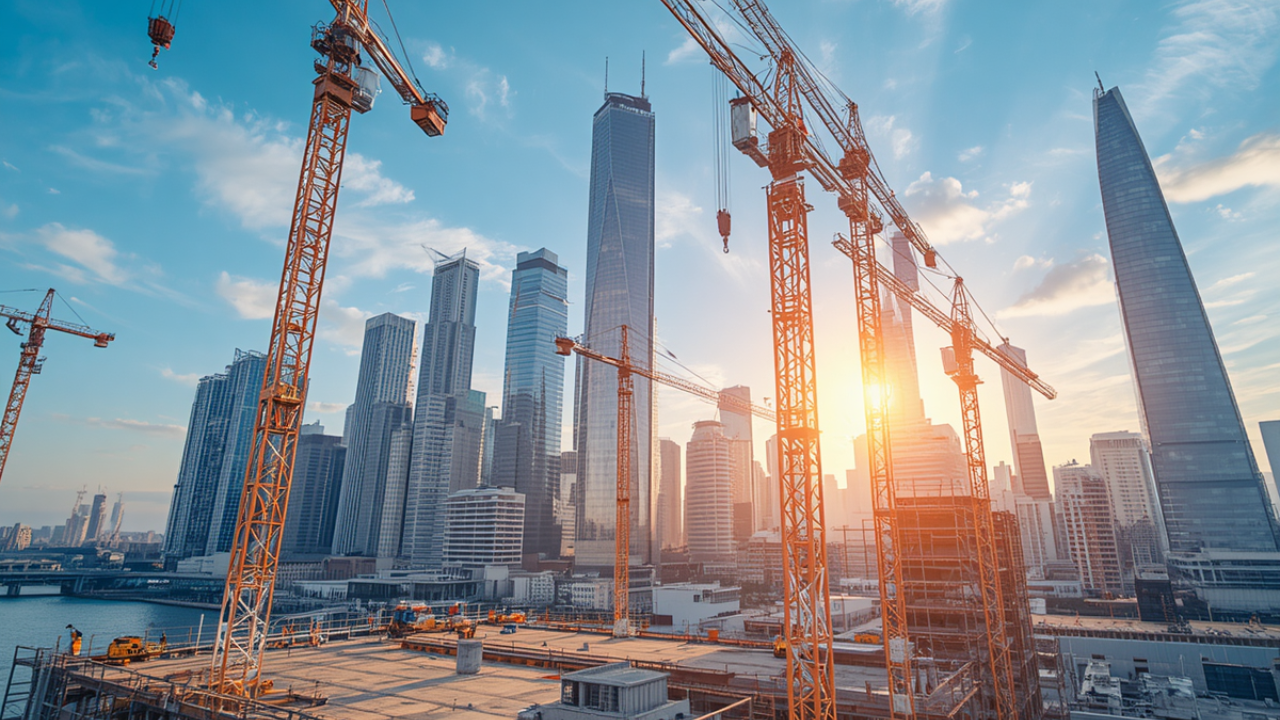
Infrastructure investment is one of the most significant drivers of growth in the architecture, engineering, and construction (AEC) industry. As governments and private organizations invest in roads, bridges, airports, utilities, renewable energy, and public facilities, the demand for skilled professionals and innovative construction solutions continues to rise.
Strong infrastructure supports economic development, improves public safety, and enhances the quality of life for millions of people. Understanding the role of infrastructure investment helps construction professionals prepare for new opportunities while contributing to projects that have a lasting impact on communities.
Why Infrastructure Projects Matter
Infrastructure investment provides the foundation for thriving cities and growing economies. Transportation networks, water systems, electrical grids, schools, hospitals, and communication systems all depend on well-planned construction and ongoing maintenance.
Modern infrastructure improves mobility, supports commerce, and allows businesses to operate more efficiently. It also creates safer communities by replacing aging structures and improving public services. As populations continue to grow, the need for reliable infrastructure becomes even more critical.
For construction companies, these projects often represent long-term work with opportunities for innovation and career growth.
Economic Growth Through Public and Private Funding
One of the greatest benefits of infrastructure investment is its ability to stimulate economic activity. Large-scale construction projects create jobs across multiple industries, including architecture, engineering, manufacturing, transportation, and skilled trades.
Every major infrastructure project generates demand for materials, equipment, engineering services, and construction management expertise. These investments also encourage private development by making regions more attractive to businesses and investors.
Communities with modern infrastructure are better positioned to attract new industries, improve logistics, and support long-term economic expansion.
Technology Is Improving Project Delivery
Technology continues to enhance the value of infrastructure investment by making projects more efficient and predictable. Building Information Modeling (BIM), drones, laser scanning, geographic information systems (GIS), and artificial intelligence are helping project teams improve planning, coordination, and execution.
These digital tools reduce design conflicts, improve communication between stakeholders, and help identify potential issues before construction begins. Better project visibility leads to fewer delays, improved quality, and stronger financial performance.
Organizations that embrace technology are often able to deliver infrastructure projects more safely and efficiently than ever before.
Sustainability Is a Growing Priority
Today’s infrastructure investment is increasingly focused on sustainability and resilience. Engineers and designers are creating transportation systems, utilities, and public facilities that reduce environmental impact while preparing communities for future challenges.
Green building materials, renewable energy integration, stormwater management, and climate-resilient designs are becoming standard considerations during project planning. Sustainable infrastructure helps reduce operating costs while extending the lifespan of public assets.
These initiatives not only protect the environment but also provide long-term value for taxpayers and project owners.
Workforce Demand Continues to Increase
As infrastructure investment expands, so does the need for qualified professionals throughout the AEC industry. Civil engineers, project managers, estimators, inspectors, surveyors, equipment operators, and skilled craft professionals are all essential to delivering successful projects.
Companies are investing in workforce development, leadership training, apprenticeship programs, and continuing education to prepare employees for increasingly complex projects. Professionals who develop both technical and leadership skills will be well positioned for future advancement.
The growing demand for talent makes this an excellent time for construction professionals to strengthen their qualifications and pursue new career opportunities.
Preparing for the Next Generation of Infrastructure
Infrastructure investment will remain a cornerstone of economic development for decades to come. Aging infrastructure, population growth, technological advancements, and sustainability goals will continue driving new construction across the public and private sectors.
Construction organizations that focus on innovation, collaboration, safety, and workforce development will be best equipped to meet these evolving demands. By embracing new technologies and investing in skilled professionals, the AEC industry can deliver projects that strengthen communities and support future generations.
Build Your Construction Career
As infrastructure projects continue to grow, employers are looking for qualified construction professionals who can make an immediate impact.
Create your professional construction resume today at app.constructionresumebuilder.com.
For additional career resources, resume tips, and industry guidance, visit constructionresumebuilder.com/free-resources and explore our free tools designed specifically for construction professionals.