As automation continues to transform manufacturing and industrial operations, the demand for skilled robotics professionals is rising rapidly. A Robotics Technician plays a critical role in keeping automated systems operating efficiently, making this one of the most promising technical careers available today.
What Does a Robotics Technician Do?
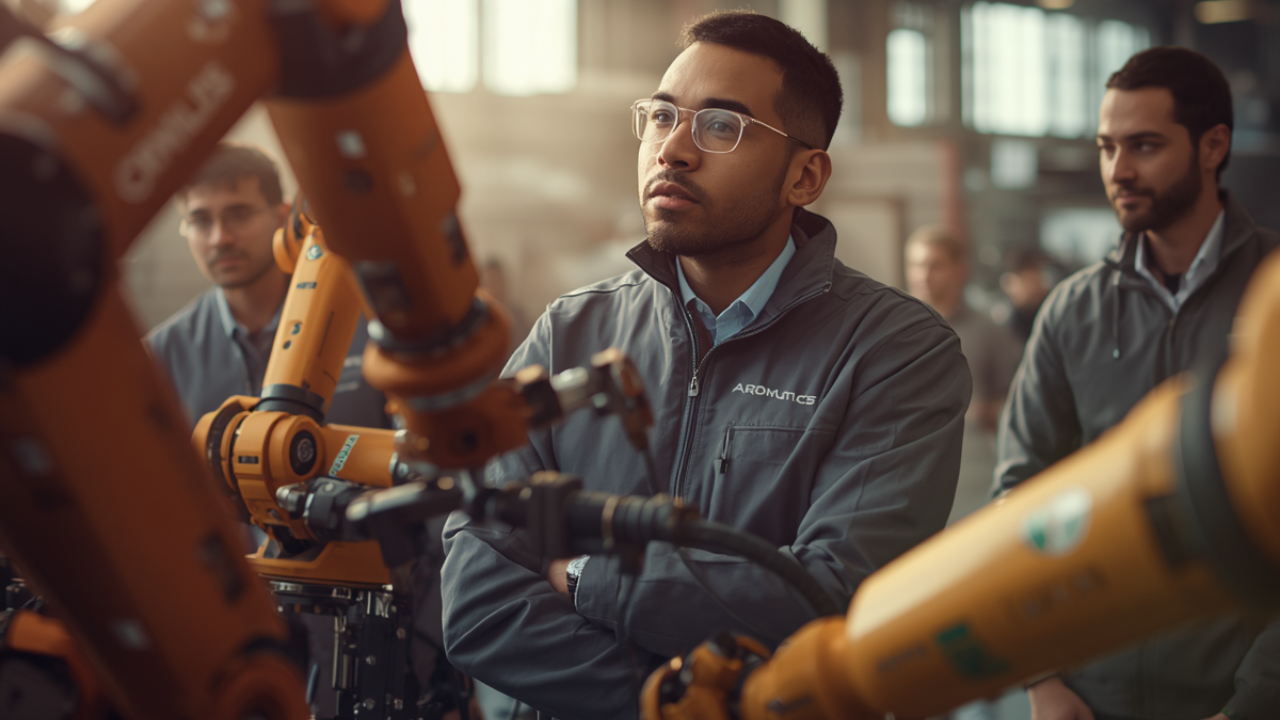
A Robotics Technician is responsible for installing, maintaining, troubleshooting, and repairing robotic systems used in manufacturing plants, warehouses, and other industrial environments. These professionals combine mechanical, electrical, and programming expertise to ensure automated equipment operates at peak performance.
Typical responsibilities include:
- Installing and commissioning robotic equipment
- Programming robots and automated production systems
- Diagnosing mechanical, electrical, and software issues
- Performing preventive maintenance on robotic machinery
- Calibrating robots and tooling for production accuracy
- Supporting process improvements with engineering teams
- Maintaining service records and equipment documentation
- Training employees on safe robotic system operation
From automotive assembly lines to warehouse automation facilities, technicians help businesses maximize productivity and minimize costly downtime.
Robotics Technician Salary and Earnings Potential
One of the biggest advantages of becoming a Robotics Technician is the strong earning potential. Because these professionals possess a unique combination of technical skills, employers are willing to pay competitive salaries to attract and retain qualified talent.
Most technicians earn around $70,000 annually, while experienced professionals who specialize in advanced robotic platforms or automation systems can earn $100,000 or more per year. Additional opportunities for overtime, shift premiums, and specialized certifications can further increase earnings.
As automation adoption continues to grow across industries, compensation is expected to remain highly competitive.
Qualifications Needed to Become a Robotics Technician
Most employers look for candidates who have a combination of formal education and hands-on technical experience. Common qualifications include:
- Associate degree or certificate in robotics, mechatronics, or industrial automation
- Experience with PLC programming and industrial controls
- Knowledge of robotic systems from manufacturers such as FANUC, KUKA, ABB, or Yaskawa
- Strong electrical troubleshooting skills
- Mechanical repair and maintenance experience
- Understanding of pneumatic and hydraulic systems
- Ability to read electrical schematics and technical drawings
- OSHA safety training and lockout/tagout knowledge
Many successful professionals enter the field from industrial maintenance, CNC machining, electrical trades, or manufacturing backgrounds. Employers often provide additional training on specific robotic platforms for candidates who already possess strong foundational skills.
Why Demand for Robotics Technicians Is Growing
Manufacturers across the United States continue investing heavily in automation to improve efficiency, reduce labor shortages, and remain competitive in a global marketplace. This investment creates ongoing demand for skilled technicians who can maintain and optimize automated systems.
As more facilities adopt robotics technology, companies increasingly rely on qualified professionals to ensure production equipment remains operational. This trend has created a significant talent shortage, giving skilled workers excellent career opportunities and strong job security.
The increasing use of warehouse automation, advanced manufacturing technologies, and smart factories is expected to fuel continued demand for robotics professionals over the coming decade.
Career Advancement Opportunities
A Robotics Technician position can serve as a gateway to several higher-level careers. With additional experience and training, professionals can advance into roles such as:
- Automation Engineer
- Controls Engineer
- Systems Integrator
- Automation Project Manager
- Manufacturing Engineering Specialist
- Robotics Programmer
These positions often offer greater responsibility, increased earning potential, and opportunities to lead major automation initiatives.
Is This Career Right for You?
If you enjoy solving technical problems, working with advanced technology, and combining mechanical and electrical skills, a career as a Robotics Technician may be an excellent fit. The field offers strong salaries, long-term job stability, and numerous opportunities for advancement as automation continues to reshape modern industry.
Build Your Resume and Advance Your Career
Ready to pursue a career in robotics and automation? Create a professional construction and skilled trades resume today at app.constructionresumebuilder.com.
Looking for additional career resources? Visit constructionresumebuilder.com/free-resources for free tools, guides, and job search resources designed to help skilled professionals succeed.