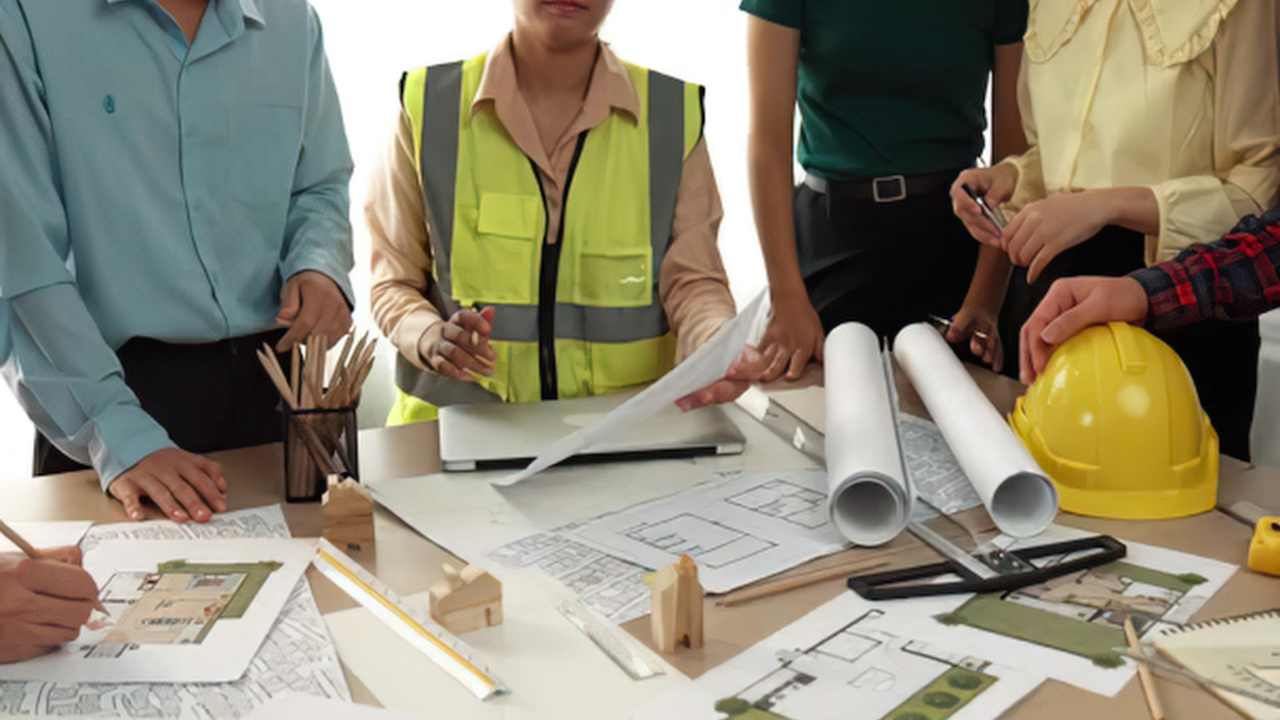
Construction projects bring together architects, engineers, contractors, owners, consultants, and specialty trades. Each group has different responsibilities, but their work is closely connected. When communication breaks down, even a well-developed design can encounter delays, conflicts, rework, and cost increases.
Strong architectural project collaboration helps teams share information, coordinate decisions, and address challenges earlier. For architects, improving collaboration is not simply about attending more meetings. It requires creating clear communication processes and building stronger working relationships throughout the project lifecycle.
Establish Clear Communication From the Start
Successful architectural project collaboration begins with clear expectations. Before design work progresses too far, project teams should establish who is responsible for specific decisions, how information will be shared, and how questions or changes will be handled.
Architects can help by creating clear communication channels and making sure important project information is accessible to the appropriate team members. Regular coordination meetings can also provide an opportunity to discuss design changes, construction concerns, schedules, and outstanding decisions.
Clear communication reduces the likelihood that important information becomes isolated within one discipline.
Bring Contractors Into the Process Early
Architects can benefit significantly from contractor input during design. Contractors understand constructability, material availability, sequencing, labor requirements, and field conditions that may not be fully visible during the design process.
Early contractor involvement can strengthen architectural project collaboration by allowing potential construction challenges to be identified before they become expensive changes in the field.
This is particularly useful for complex projects where design decisions can significantly affect construction methods, schedule, or cost.
Use BIM and Digital Collaboration Tools
Technology has become an important part of modern project coordination. Building Information Modeling (BIM) allows architects, engineers, contractors, and other professionals to work with coordinated digital information.
Cloud-based platforms can also provide a central location for drawings, specifications, schedules, RFIs, submittals, and other project documents.
When used effectively, these tools can strengthen architectural project collaboration by giving team members better access to current information and reducing confusion caused by outdated documents.
Create a Culture of Open Feedback
Collaboration works best when team members feel comfortable raising concerns. Architects should encourage engineers, contractors, owners, and consultants to identify potential problems early.
A disagreement during design is often easier and less expensive to resolve than a conflict discovered during construction. Creating an environment where professionals can question assumptions and suggest alternatives can lead to better project decisions.
The goal is not to eliminate disagreements. It is to create a process for resolving them constructively.
Coordinate Design Decisions Across Disciplines
Architectural decisions rarely affect only architecture. Changes to layouts, materials, building envelopes, or room configurations can influence structural systems, mechanical equipment, electrical layouts, plumbing, and construction sequencing.
Strong architectural project collaboration requires architects to consider these connections before finalizing major decisions.
Regular interdisciplinary design reviews can help teams identify conflicts and understand how one change may affect other parts of the project.
Keep Owners Involved in Key Decisions
Owners play an important role in defining project goals, priorities, budgets, and operational requirements. Architects can improve collaboration by keeping owners informed about major design decisions and explaining the potential impact of alternatives.
Visualizations, models, cost information, and clear explanations can help owners make informed decisions without requiring them to understand every technical detail.
Continue Collaboration During Construction
Collaboration should not end when construction documents are completed. Field conditions, material availability, design questions, and owner requests can require decisions throughout construction.
Architects who maintain communication with contractors and other project participants can respond more effectively to these issues. Site visits, coordination meetings, and timely responses to RFIs can help maintain project momentum.
Strong architectural project collaboration continues from concept through construction and, ideally, into project closeout.
Build Stronger AEC Project Teams
Better collaboration requires more than technology. It depends on communication, accountability, respect for other disciplines, and a willingness to solve problems together.
Architects who develop these skills can become more effective contributors to multidisciplinary project teams. For professionals across the AEC industry, collaboration skills can be just as valuable as technical expertise.
Build Your Construction Career
Ready to showcase your experience and project skills? Create your construction resume at app.constructionresumebuilder.com and highlight your accomplishments, technical expertise, certifications, and career experience.
Check more of our free resources here: constructionresumebuilder.com/free-resources.